
The bees from Verbena colony finishing up a pollen patty just a couple of months ago.
Earlier this week, I experienced my saddest day as a beekeeper. About, ninety percent of my Verbena colony died. I found myself suddenly scrambling to keep the remaining bees alive! It was not a happy way to end my first year as a beekeeper 😦
Heading into winter, I thought Verbena would be my “strong” colony. I got this colony in April of last year, you can read more about their first day on the homestead here.
Before leaving for Germany for thymus and stem cell therapy, I left both colonies with enough food to last two weeks. When I got home in mid-October, they had eaten it all up, so I fed them more!
At the November bee guild meeting, the mentors suggested it was time to stop feeding so the colonies could reduce in size, just like they do nature. I was a bit nervous about doing this but figured the mentors knew more than a “new-bee” like me did.
The bee guild members, and several books I’ve read said that starvation, or mites are usually the cause of a new colony dying off during the winter. Another concern can be moisture inside the boxes, this can happen during our rainy, wet winters.
To help counteract moister entering the hive, they recommend slightly tilting the boxes of the colony forward so any water that entered would easily run out the front entrance. They also recommended building an “awning” to keep the colony dry.
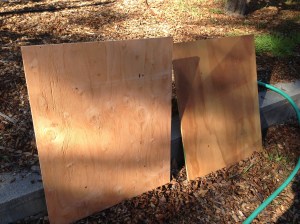
My awesome husband got busy building a very sturdy, “awning” for each colony, and we had them on before any major rain hit our area. Here’s a picture of the colonies with their “awnings” on top of the boxes. The bricks on top help keep it from being blown off during windy weather. Continue reading →
Dig this post? I'd be grateful if you shared it.

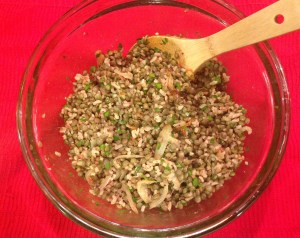 The original recipe recommended green lentils, but I used french lentils instead. I prefer french lentils because they’re less likely to get mushy!
 Honeychick Homestead